How to Operate Crusher Equipment Better: 5 Expert Tips
This guide corrects the user's typo ("operat") and provides a structured technical guide on operation. It focuses heavily on "Feeding Techniques" (Choke feeding) as this is the #1 operational factor affecting performance.
Are your crushers suffering from uneven wear, frequent breakdowns, or lower-than-expected throughput? Often, the machine itself is not to blame—the issue lies in the operational method. For quarry owners and site managers, knowing how to operate crusher equipment better is the fastest way to increase profitability without buying new machinery.
Improper operation can cut a machine’s lifespan in half. At Liming Heavy Industry, we don't just manufacture world-class crushers; we empower our clients to use them effectively. In this technical guide, we will share expert strategies to optimize your crushing plant, reduce downtime, and get the most out of your investment.

1. Master the Feeding Technique: The Key to Efficiency
The single most critical factor in crusher operation is how material enters the chamber. Poor feeding causes 70% of operational issues.
Uniform and Continuous Feeding
Avoid "trickle feeding" (too little material) or "dump feeding" (sudden surges). The material should enter the crusher at a constant rate.
- The Risk: Stop-start feeding causes shock loads to bearings and belts.
- The Fix: Utilize a Variable Frequency Drive (VFD) on your Vibrating Feeder to automate the flow based on the crusher’s load (Amps).
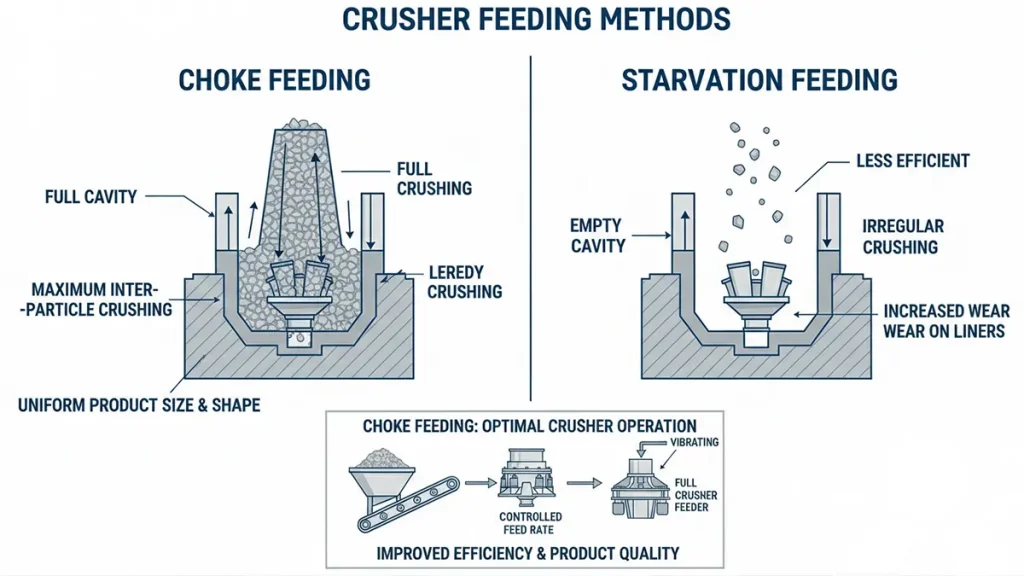
Choke Feeding (Especially for Cone Crushers)
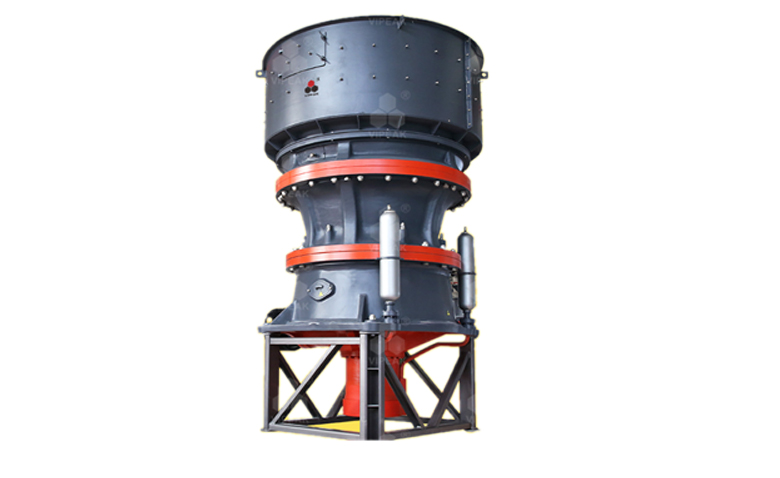
For Cone Crushers (like our HPT or HST series), choke feeding is mandatory. This means keeping the crushing chamber full of rock.
- Benefit 1: Inter-particle crushing (rock crushing rock) improves particle shape (cubicity).
- Benefit 2: It ensures even wear on the mantle and concave.
- Warning: Never run a cone crusher empty for extended periods.
2. Control Your Feed Material
Even the best operator cannot compensate for bad feed material. To understand how to operate crusher equipment better, you must control what goes in.
| Factor | Why It Matters | Operational Tip |
|---|---|---|
| Fines Content | Excess fines (sand/dust) pack the chamber and increase pressure. | Scalp fines using a grizzly feeder before the material enters the primary crusher. |
| Moisture | Wet material causes clogging and "pancaking" in the chamber. | If moisture >5%, inspect the discharge chute daily to prevent blockage. |
| Oversize Rock | Causes bridging and blocking at the intake. | Use a hydraulic breaker at the primary station to handle oversize rocks immediately. |
3. Monitor Vital Signs in Real-Time
Modern Liming crushers are equipped with sensors, but operators must know what to look for.
- Amp Draw (Power): A fluctuating amp draw indicates uneven feeding. A consistently high amp draw indicates the crusher is overloaded or the setting is too tight.
- Oil Temperature: High return oil temperature suggests bearing distress or cooling system failure.
- CSS (Closed Side Setting): Check and adjust the CSS daily. As liners wear, the opening gets larger, reducing your crushing ratio and increasing the load on the next stage.
4. Daily "Walk-Around" Inspections
Operational excellence starts before the "Start" button is pressed. Implement a strict pre-shift checklist.
- Check belt tension on the drive motor.
- Inspect the discharge area for built-up debris.
- Listen for unusual noises (knocking or grinding) during startup.
- Tighten bolts: Vibration loosens fasteners over time, leading to catastrophic failure.
Frequently Asked Questions (FAQ)
1. Why is my crusher producing too many flat or flaky particles?
This is often due to "starvation feeding" (not keeping the chamber full) or a wrong reduction ratio. To fix this, ensure you are choke feeding (especially with cone crushers) or adjust the Closed Side Setting (CSS) to be closer to the desired product size.
2. How often should I inspect the wear liners?
It depends on the abrasiveness of your stone (e.g., Granite vs. Limestone). However, you should visually inspect liners daily. We recommend changing liners before they wear through to the backing material to avoid damaging the crusher body.
3. What is the best way to clear a blocked crusher chamber?
Never poke a blocked active crusher! Stop the feed, shut down the crusher, and use the hydraulic clearing system (if available on Liming models) or a hydraulic breaker. Ensure proper Lock-Out/Tag-Out procedures are followed for safety.
Conclusion: Operational Discipline Equals Profit
Learning how to operate crusher equipment better is not a one-time lesson; it is a daily discipline. By maintaining a consistent feed, monitoring material quality, and reacting quickly to warning signs like amp spikes or noise, you can extend the life of your Liming equipment by years.
Liming Heavy Industry supports you beyond the sale. We offer on-site operator training to ensure your team has the skills to run your plant at peak efficiency.

Chief Technical Consultant
15+ Years in Mineral Processing & Mining Machinery
Senior mechanical specialist at Liming Heavy Industry. Leading expert in large-scale crushing circuits and global quarry optimization. His technical insights have helped over 500+ global projects achieve higher efficiency.