Explore in-depth technical analyses, equipment specifications, and industrial processing insights. Our technical blog provides professional guidance on optimizing production lines, selecting cost-effective machinery, and understanding the core engineering behind advanced crushing technology to maximize your operational ROI.
Introduction In heavy-duty mining and aggregate production, selecting the wrong crusher parameters is a costly mistake that directly degrades a plant's profitability. Operating with mismatched technical specifications inevitably leads to severe production bottlenecks, insufficient throughput,...
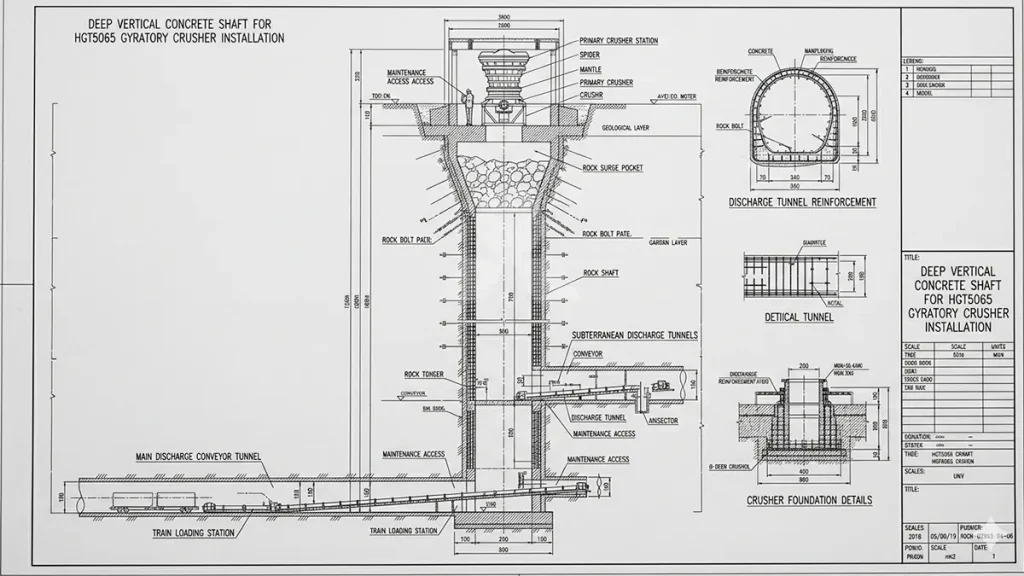
READ MOREDeconstructing 2500tph Spatial Nodes in Primary Gyratory Crusher vs Jaw Crusher for Large Mining Architecting a 2500 tph primary extraction zone is a brutal calculation of spatial geometry and kinetic mass. You cannot blindly force...
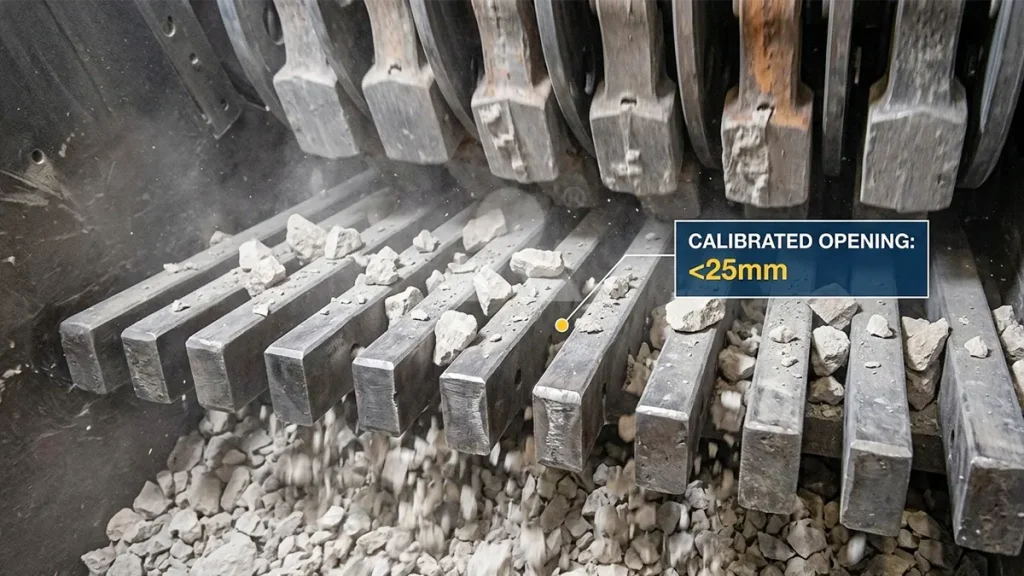
READ MOREErasing the Secondary Circuit: Architecture of the Single Stage Hammer Crusher for Limestone Cement Plant Relying on a raw mill to pulverize 100mm rock is a catastrophic architectural failure. While auditing a 5,000-ton-per-day clinker line...
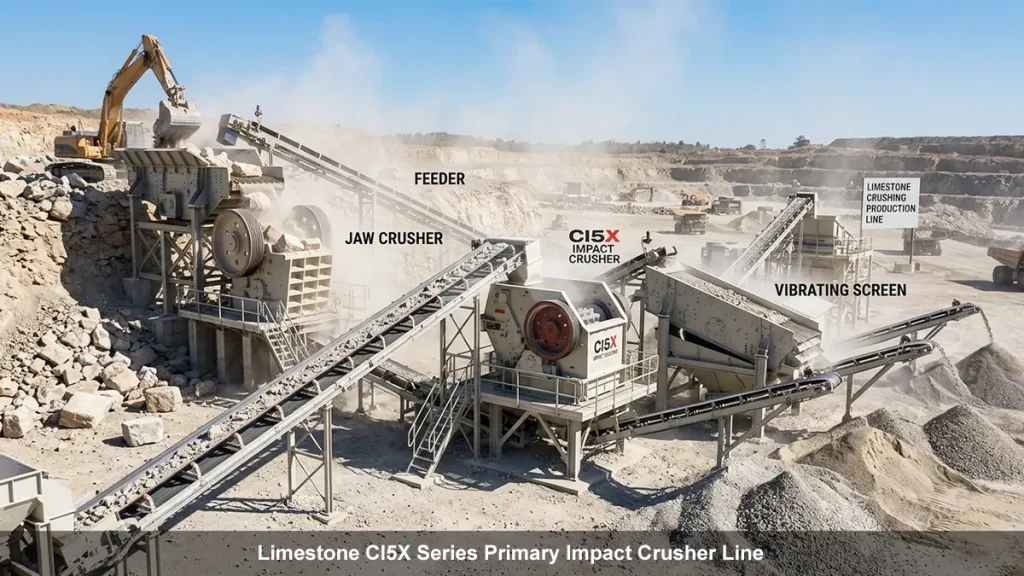
READ MOREI watch quarry owners bleed capital daily by running dual-stage circuits on 120MPa limestone. Feeding 1000mm boulders into a CI5X1620 completely eliminates the primary jaw crusher. The massive high-inertia rotor shatters the rock instantly, sustaining...
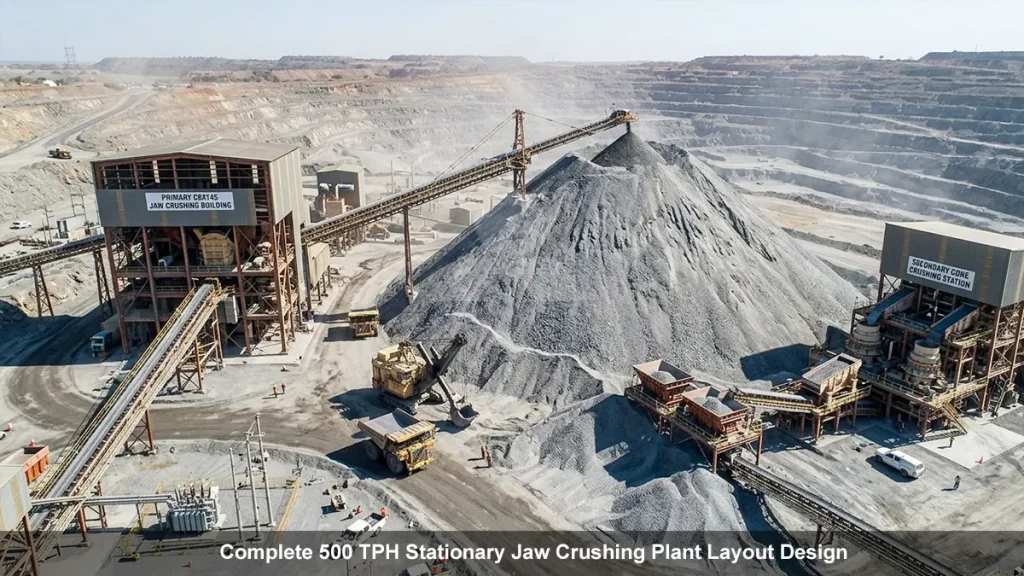
READ MOREDesigning a 500-ton-per-hour primary circuit demands ruthless spatial mathematics. When 900mm granite boulders enter the hopper, the kinetic energy must be continuously buffered, segregated, and discharged. An architectural error here does not just reduce efficiency;...
READ MORE-5°C ambient temperature curing physics: 45-day capital exposure freeze on 500-cubic-meter concrete footings. 250MPa basalt kinetic resistance: 160kW primary jaw impact absorption via skid-mounted structural integration. 150-hour mechanical fatigue threshold: Unchecked vibration harmonics shearing drive...
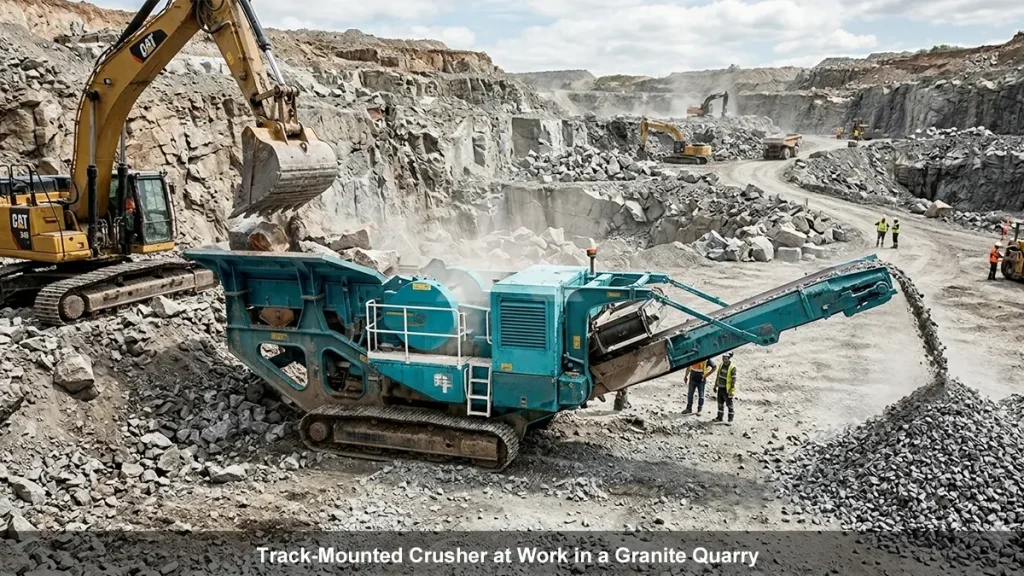
READ MOREThe kinetic kickback from 250 MPa granite doesn't just vibrate the machine; it actively tries to tear the undercarriage apart. Rigid tracks snap under this recoil. During a high-altitude pit expansion in the Andes this...
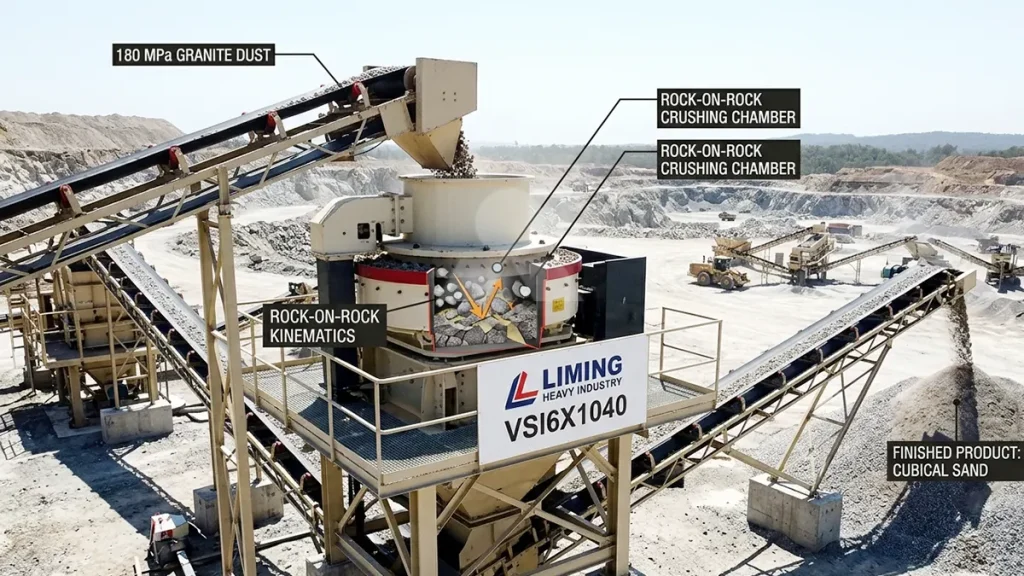
READ MOREArchitect's Baseline: You cannot screen raw compression dust and call it commercial sand. Upcycling 0-5mm waste requires a strict mass balance workflow: breaking moisture-bridged clumps, reshaping jagged splinters via VSI rock-on-rock kinematics, and aerodynamically extracting...
READ MOREGeological Baseline: Aggregates originate from three primary rock classifications—igneous, sedimentary, and metamorphic—plus recycled materials. Each category possesses unique compressive strengths (MPa) and abrasive properties that demand specific crushing physics. Misidentifying the raw material guarantees catastrophic...
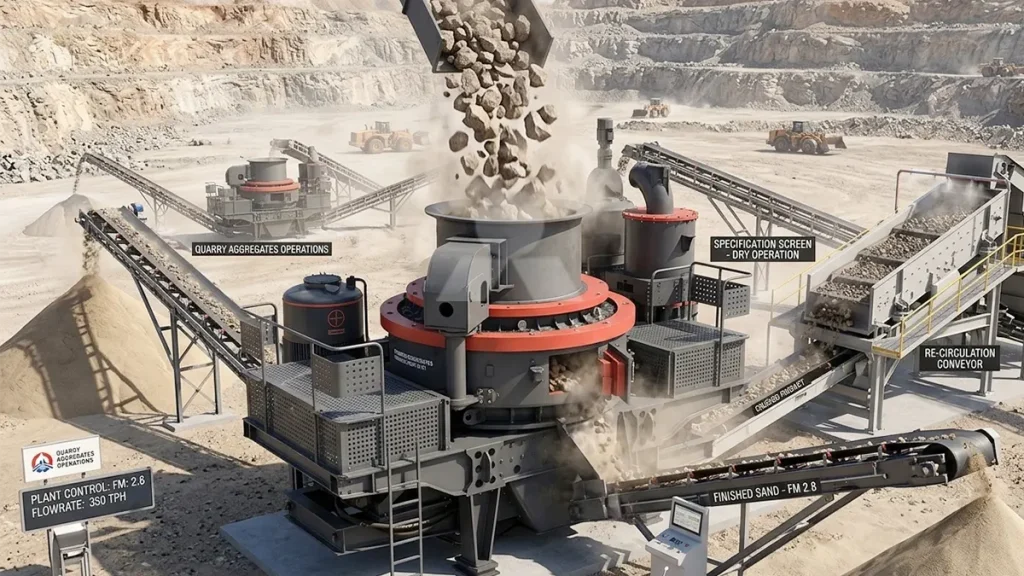
READ MOREZero Water Dependency: Aerodynamic classification entirely replaces XSD wheel washers, neutralizing the 1.5-ton water requirement per ton of processed aggregate. Fineness Modulus Calibration: Rock-on-rock kinematics stabilize the FM at exactly 2.8, stripping micro-fractures from the...
READ MORETrack Mounted vs Wheeled Mobile Crushing Plant Comparison: A Fiscal Audit Capital Velocity: Wheeled (pneumatic) chassis drastically reduce the initial capital outlay and utilize standard semi-trucks, bypassing specialized low-bed trailer rentals for highway projects. Operational...
READ MORENavigating Regulatory and Technical Hurdles in Urban Recycling Operational viability in urban concrete recycling is predicated on the machine-material interaction between high-tensile reinforcement steel and the primary impact rotor. In regulated environments such as Liberia,...
READ MORETracking material flow during recent highway audits in West Africa reveals a critical failure point: contractors hemorrhage capital when their aggregates fail the California Bearing Ratio (CBR) tests due to uncontrolled fines. Processing Mohs 6-7...
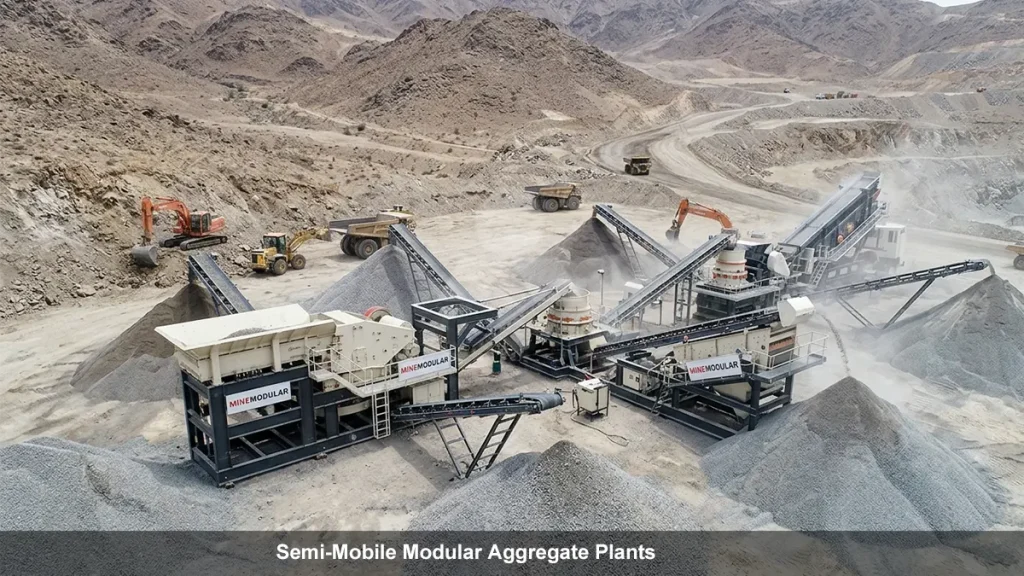
READ MOREAt a recent hard rock quarry in Sumatra, the seasonal monsoon turned traditional civil engineering into a financial disaster. Rain and tight topography stretched fixed plant foundation work to 4.5 months. We bypassed that entire...
READ MOREBased on 500 hours of site data from urban demolition contractors, the biggest threat to profitability isn't the upfront equipment price of the machinery, but the hidden capital drain of stationary site preparation. Traditional operations...
READ MORESearch for products, cases, or solutions.