Comparison of Different Coal Crusher and Grinder Costs
This guide moves beyond simple "price tags" to offer a comparative analysis of the Total Cost of Ownership (TCO). It categorizes equipment into Crushers (coarse) and Grinders (fine), comparing them based on initial investment, energy consumption, and maintenance costs.
For power plant managers and cement kiln operators, fuel preparation is a major budget line item. The efficiency of your combustion system depends directly on how well you process raw coal. However, navigating the market can be confusing. A direct comparison of different coal crusher and grinder costs reveals significant variances not just in the initial purchase price, but in long-term operational expenses.
Is a cheaper Ring Hammer Crusher sufficient, or should you invest in a robust Vertical Roller Mill? At Liming Heavy Industry, we believe that the "best" price is the one that delivers the lowest cost per ton of processed material over the machine's lifespan. This guide breaks down the financial and technical differences between the major types of coal processing equipment.
1. Coal Crushers: Cost vs. Performance Analysis
Coal crushers are used for the primary and secondary reduction of raw coal (reducing 300mm lumps to <25mm). These machines generally have lower initial costs compared to grinders.
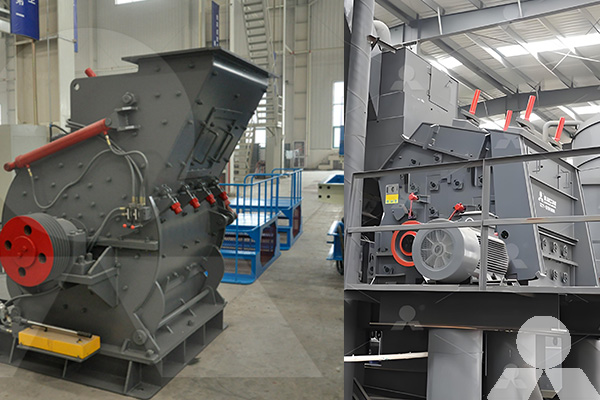
Ring Hammer Crusher (The Budget Choice)
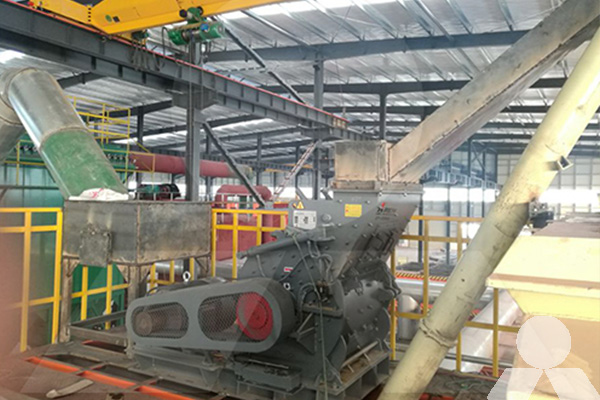
The Ring Hammer Crusher is the most common solution for coal due to its ability to handle wet material and lower power consumption.
- Initial Cost: Low. Simple structure means lower manufacturing costs.
- Operating Cost: Moderate. Hammers are wear parts, but they are relatively cheap to replace.
- Best For: High-moisture coal and budget-sensitive projects.
Impact Crusher (The Performance Choice)
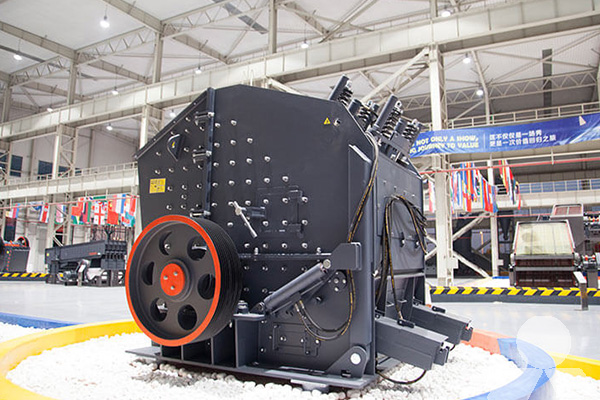
For harder coal varieties (like Anthracite) or when a specific particle shape is needed, the PF Impact Crusher is preferred.
- Initial Cost: Medium. Requires a heavy-duty rotor and blow bars.
- Operating Cost: Medium-High. Blow bars are expensive, but the crushing efficiency is higher.
- Best For: Harder coal where consistent output size is critical.
Cost Comparison Table: Crushers
| Machine Type | Initial Investment (CAPEX) | Maintenance Cost (OPEX) | Energy Efficiency |
|---|---|---|---|
| Ring Hammer Crusher | $ (Lowest) | $$ | High |
| Impact Crusher | $$ | $$$ | Medium |
| Double Roll Crusher | $$ | $ (Lowest Wear) | Very High |
2. Coal Grinders (Pulverizers): The High-Tech Investment
Grinders (or mills) reduce crushed coal into fine powder (200 mesh) for direct injection into boilers. This equipment is significantly more expensive and complex than crushers.
Vertical Roller Mill (LM Series)
The LM Vertical Mill is the industry standard for large-scale power plants. It integrates drying, grinding, and classifying.
- Initial Cost: High. Complex hydraulic and pneumatic systems increase the price.
- Operating Cost: Low. It saves 30-50% more energy than ball mills. Metal wear is minimal.
- ROI Factor: The high upfront cost is usually recovered within 2-3 years via electricity savings.
Ball Mill
The traditional method, using steel balls in a rotating cylinder.
- Initial Cost: Medium. The technology is mature and simpler to manufacture.
- Operating Cost: High. Extremely high electricity consumption and noise levels.
- ROI Factor: Better for plants with low capacity or where reliability is prioritized over efficiency.
Raymond Mill / Trapezium Mill (MTW Series)
A middle-ground solution often used in industrial boiler applications.
- Initial Cost: Medium. More affordable than Vertical Mills.
- Operating Cost: Medium. Good balance of power consumption and wear life.
Cost Comparison Table: Grinders
| Machine Type | CAPEX (Equipment Cost) | OPEX (Energy & Wear) | Space Required |
|---|---|---|---|
| Vertical Roller Mill | $$$$ | $ (Best Savings) | Small (Vertical layout) |
| Ball Mill | $$$ | $$$$ | Large (Horizontal layout) |
| Raymond/MTW Mill | $$ | $$ | Medium |
3. Hidden Factors Affecting Your Cost Estimate
When requesting a comparison of different coal crusher and grinder costs, remember that the sticker price is not the final price. Consider these factors:
- Civil Works: Ball mills require massive concrete foundations to absorb vibration. Vertical mills are lighter and require less structural investment.
- Drying Systems: If you buy a Ball Mill, you may need a separate dryer for wet coal. A Vertical Mill dries the coal internally, saving the cost of an entire machine.
- Installation Time: Modular designs (like Liming's MTW series) reduce installation labor costs by up to 20%.
Frequently Asked Questions (FAQ)
Which is cheaper to run: a Hammer Crusher or an Impact Crusher?
Generally, a Hammer Crusher is cheaper to run for coal applications. Coal is relatively soft but can be abrasive. The hammer design allows for "grinding" which is more efficient for coal, whereas Impact Crushers rely on high-velocity blows that wear out parts faster on abrasive materials.
Why is the price gap between Ball Mills and Vertical Mills so large?
The price gap exists because of complexity. A Ball Mill is essentially a rotating drum. A Vertical Mill (VRM) includes a hydraulic loading system, an internal classifier (separator), and a complex gear reducer. However, the VRM's efficiency usually justifies the cost for capacities above 20TPH.
Does Liming Heavy Industry provide cost estimates for complete plants?
Yes. We don't just sell machines; we design the entire flow. We can provide a comparative cost analysis showing you the ROI difference between choosing a low-cost initial setup versus a high-efficiency setup.
Calculating Value Beyond Price
A comprehensive comparison of different coal crusher and grinder costs shows that while "simple" machines like Hammer Crushers and Ball Mills offer lower upfront costs, modern solutions like Vertical Roller Mills deliver superior long-term value through energy savings.
Liming Heavy Industry is ready to help you crunch the numbers. We can simulate your production line to show you exactly where your money goes—and where you can save it.

Chief Technical Consultant
15+ Years in Mineral Processing & Mining Machinery
Senior mechanical specialist at Liming Heavy Industry. Leading expert in large-scale crushing circuits and global quarry optimization. His technical insights have helped over 500+ global projects achieve higher efficiency.