Types of Coal Pulverizers and Crushers
This technical guide categorizes coal processing into crushing (coarse) and pulverizing (fine) stages. It details Liming's specific equipment for each stage (Hammer/Impact crushers for initial reduction, Vertical/Ball mills for fine powder), aiming to capture engineers and plant managers looking for technical clarity.
In thermal power plants and industrial boiler systems, the efficiency of combustion relies heavily on the quality of the coal fuel. Poorly processed coal leads to incomplete combustion, slagging, and skyrocketed maintenance costs. Understanding the various types of coal pulverizers and crushers is the first step toward optimizing your plant's thermal efficiency.
Liming Heavy Industry has decades of experience in fuel preparation. Whether you need to reduce run-of-mine coal to manageable chunks or grind it into a fine powder for injection, selecting the right equipment is critical. This guide breaks down the technical differences between crushing and pulverizing technologies to help you make an informed decision.
Part 1: Coal Crushers (Primary & Secondary Reduction)
Before coal can be pulverized, it must be crushed. Raw coal often arrives in large lumps (up to 300mm) containing debris. Crushers reduce this to a size suitable for the pulverizer (usually 20-50mm).
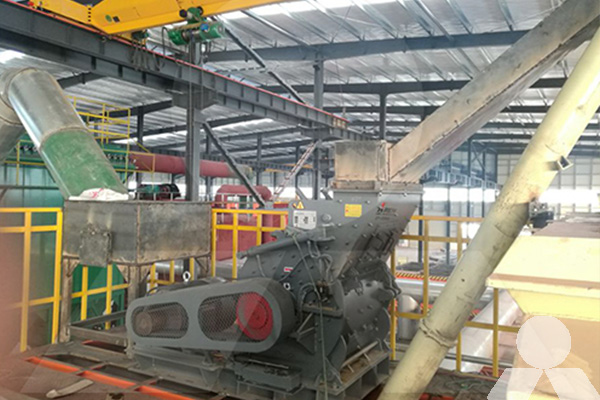
1. Ring Hammer Crusher
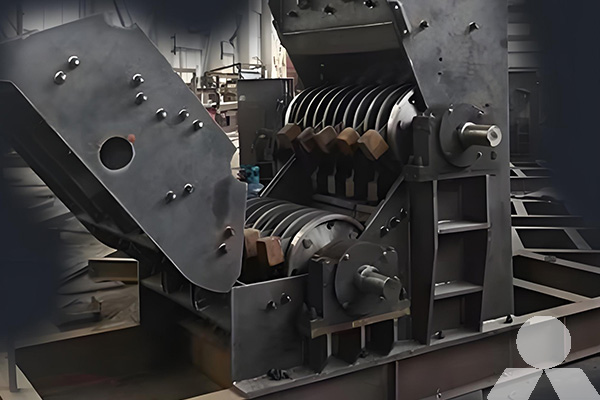
The Ring Hammer Crusher is the industry standard for coal. It utilizes a high-speed rotor with suspended hammer rings.
- Working Principle: The rings impact the coal, shattering it against the breaker plate. The rolling action of the rings also produces a grinding effect, which is ideal for brittle materials like coal.
- Key Advantage: Low power consumption and the ability to handle coal with higher moisture content without clogging.
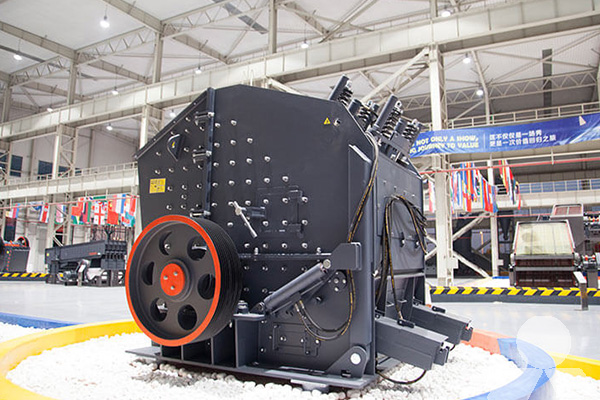
2. Impact Crusher (PF Series)
For harder bituminous coal or anthracite, standard hammer crushers might wear too quickly. The Impact Crusher uses heavy blow bars to strike the material.
- Working Principle: Impact energy shatters the coal along its natural fissures.
- Key Advantage: Produces a very uniform, cubical product size which ensures steady feeding to the mill.
3. Double Roll Crusher
Used when minimal fines are required. It squeezes the coal between two rotating rolls.
- Working Principle: Compression crushing.
- Key Advantage: Generates very little dust; excellent for stoker-fired boilers where "chunks" are preferred over powder.
Part 2: Coal Pulverizers (Fine Grinding)
For pulverized coal-fired boilers, the fuel must be ground to a fine powder (typically 70-80% passing 200 mesh). This maximizes the surface area for rapid combustion.
1. Vertical Roller Mills (LM Series)
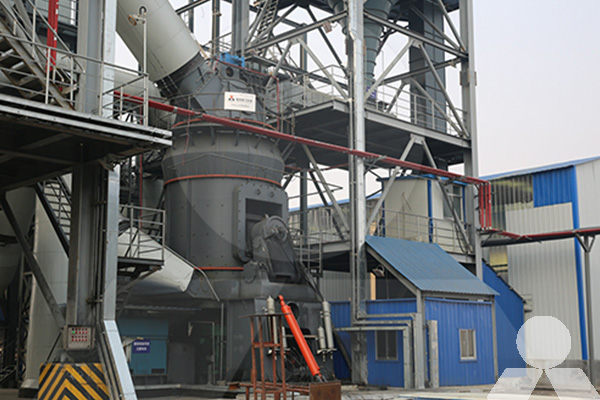
The LM Vertical Mill is the modern choice for large-scale coal preparation. It integrates drying, grinding, and classifying into one unit.
- Mechanism: Grinding rollers apply immense pressure to a rotating table. Hot air sweeps the ground coal upward to the separator.
- Efficiency: Consumes 30-40% less energy than ball mills.
- Application: Ideal for high-moisture coal as the hot air stream dries the material instantly.
2. Ball Mills
The traditional solution. A rotating cylinder filled with steel balls tumbles the coal.
- Mechanism: Impact and attrition.
- Reliability: Extremely robust and simple mechanically.
- Drawback: Higher energy consumption and noise; hard to control output fineness instantly.
3. Medium Speed Trapezium Mills (MTW Series)
Liming’s patented MTW series is an upgrade to traditional Raymond mills.
- Mechanism: Rollers swing outward against a stationary ring due to centrifugal force.
- Advantage: Compact footprint and lower investment cost compared to Vertical Mills. Great for small to medium-sized industrial boilers.
Technical Comparison: Crusher vs. Pulverizer Specs
| Feature | Ring Hammer Crusher | Vertical Roller Mill (Pulverizer) | Ball Mill (Pulverizer) |
|---|---|---|---|
| Input Size | < 300mm | < 50mm | < 25mm |
| Output Size | 0 - 30mm (Adjustable) | 80-325 Mesh (Fine Powder) | 200 Mesh (Fine Powder) |
| Moisture Tolerance | High | Very High (can dry wet coal) | Low (requires pre-drying) |
| Primary Use | Preprocessing / Stoker Boilers | Pulverized Coal Boilers / Cement Kilns | Power Plants |
Selecting the Right System for Your Plant
Choosing between the different types of coal pulverizers and crushers depends on three factors:
- Coal Rank: Lignite (soft, high moisture) requires different handling than Anthracite (hard, low moisture). Vertical mills are superior for Lignite due to drying capabilities.
- Boiler Type: Fluidized bed boilers need coarser particles (crushed), while suspension firing needs fine powder (pulverized).
- Capacity: For outputs exceeding 20TPH, Vertical Mills usually offer the best ROI due to energy savings.
Frequently Asked Questions (FAQ)
What is the difference between a coal crusher and a coal pulverizer?
A coal crusher reduces large raw coal lumps into smaller chunks (e.g., 20mm), mainly for handling or stoker boilers. A coal pulverizer grinds those chunks into a fine dust (microns) for rapid combustion in pulverized fuel boilers.
Which pulverizer handles wet coal best?
The LM Vertical Roller Mill is best for wet coal. It allows hot gases to pass through the grinding chamber, drying the coal as it is ground. It can handle moisture contents up to 15-20% efficiently.
How often do hammer crusher parts need replacement?
Hammer heads are wear parts. In standard operation, they may need replacement every 3-6 months depending on the silica content of the coal. Liming uses high-chrome alloy hammers to extend this service life significantly.
Efficiency in power generation starts with fuel preparation. Whether you need the rugged reduction of a Hammer Crusher or the precision grinding of a Vertical Roller Mill, understanding the types of coal pulverizers and crushers ensures you select the right tool for the job.
Liming Heavy Industry offers a full range of coal processing solutions tailored to your specific boiler requirements and fuel characteristics.

Chief Technical Consultant
15+ Years in Mineral Processing & Mining Machinery
Senior mechanical specialist at Liming Heavy Industry. Leading expert in large-scale crushing circuits and global quarry optimization. His technical insights have helped over 500+ global projects achieve higher efficiency.