Cost of an 800 TPH Sand Making Production Line
This comprehensive guide breaks down the financial investment required for an 800 TPH sand making plant. It explores core equipment costs, installation expenses, and features a real-world case study using Liming Heavy Industry's advanced VSI6X series.
Designing and procuring an 800 tons per hour (TPH) sand making production line requires rigorous technical evaluation and precise capital allocation. A plant of this magnitude is categorized as a high-capacity industrial operation, engineered to process abrasive and high-hardness materials like granite, basalt, or river pebbles into high-quality manufactured sand. The total financial investment for such a facility spans equipment procurement, structural engineering, power infrastructure, and operational maintenance. This technical analysis details the cost variables and machine configurations necessary to establish a highly efficient 800 TPH sand plant using advanced Liming Heavy Industry equipment.
Key Takeaways
- CapEx Variability: The total cost of an 800 TPH sand making plant fluctuates based on feed material hardness, final product gradation requirements, and the level of automated control systems implemented.
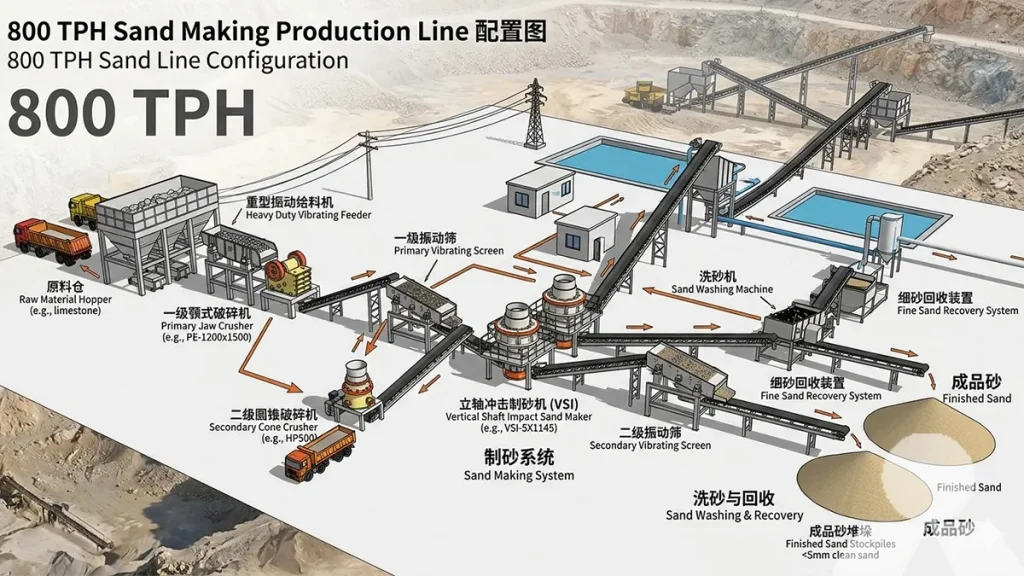
- Core Configuration: A standard high-capacity hard-rock line requires a three-stage crushing circuit: primary jaw crushing, secondary cone crushing, and tertiary vertical shaft impact (VSI) crushing.
- Primary Equipment: Optimal performance at 800 TPH demands robust machinery such as the C6X Series Jaw Crusher and the VSI6X Series Sand Making Machine.
- Operational Efficiency: Integrating multi-cylinder hydraulic cone crushers reduces downtime and lowers the cost per ton of produced aggregate.
Technical Breakdown of the 800 TPH Configuration
The total investment for a production line is directly tethered to the equipment roster. At 800 TPH, standard configurations demand dual-line parallel processing or ultra-large capacity singular units. Given the maximum feed size parameters and the necessity for continuous high-yield output, the following equipment hierarchy represents the industry standard for a heavy-duty manufactured sand plant.
Primary Crushing: Managing 800mm Feed Sizes
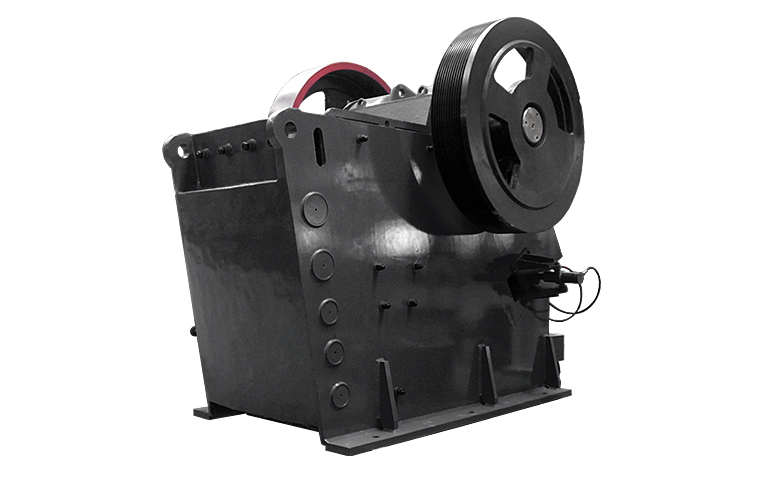
The primary crushing stage acts as the bottleneck for the entire operation. For a plant processing 800 TPH, raw materials often arrive from the quarry blast face exceeding 800mm in diameter. The C6X Series Jaw Crusher is engineered specifically for this load. Utilizing a non-welded, bolted frame and top-tier cast steel components, a model such as the C6X145 or C6X160 accommodates massive torque and impact forces.
With a maximum feed size of up to 1200mm and a discharge setting easily adjustable via hydraulic wedges, the C6X ensures a consistent downstream flow. The capital allocation for the primary stage typically accounts for 15% to 20% of the total equipment budget, justified by the machine's fatigue resistance and prolonged toggle plate lifespan under heavy loads.
Secondary Crushing: Maximizing Throughput and Shape
Material exiting the jaw crusher requires secondary size reduction before entering the sand shaping phase. When processing abrasive rock like granite (compressive strength exceeding 200 MPa), the HPT Series Multi-Cylinder Hydraulic Cone Crusher is the mathematically superior choice over impact crushers. Impact crushers experience excessive blow bar wear when processing silica-heavy rock, drastically elevating operating expenses (OpEx).
Operating an HPT500 or dual HPT300 cone crushers provides the necessary 800 TPH throughput. The HPT series utilizes the principle of inter-particle comminution, which not only crushes the rock but also improves the cubical shape of the aggregate. Its automated hydraulic protection and clearing system minimize mechanical downtime. This secondary phase represents approximately 25% to 30% of the equipment costs but offers the highest return on investment through reduced liner wear.
Tertiary Crushing and Shaping: The VSI6X Core
The defining stage of a sand making production line is the tertiary circuit. To yield premium manufactured sand (0-4.75mm) that meets ASTM and local concrete standards, the material must be processed by a Vertical Shaft Impact crusher. The VSI6X Series Sand Making Machine is the flagship unit for this requirement. Specifically, deploying dual VSI6X1263 units guarantees the 800 TPH volume while maintaining the required "rock-on-rock" crushing physics.
The VSI6X series features an optimized four-opening rotor design, which increases material throughput by 20% compared to traditional three-opening rotors. Furthermore, the bearing cylinder relies on a highly efficient oil lubrication system, preventing thermal expansion during 24/7 continuous operations. The precision of the VSI6X directly dictates the fineness modulus and powder content of the final sand, making it the most critical component for product monetization.
Auxiliary Equipment: Screening and Feeding
Achieving 800 TPH requires seamless material transfer and precise gradation. Heavy-duty vibrating feeders, such as the TSW or GZD series, are deployed beneath the raw material hopper to prevent jaw crusher choking. Post-crushing, the material is separated by multi-deck S5X Series Vibrating Screens.
The S5X series, utilizing a highly dynamic exciter, separates the output into standardized aggregates (e.g., 10-20mm, 20-31.5mm) and the final sand product. Oversized materials are reliably recirculated back to the HPT or VSI6X. The structural framing, conveyor belts, and dust collection systems represent the remaining hardware expenditure.
Variables Impacting the Total Cost of the 800 TPH Plant
Assigning a static dollar value to an 800 TPH sand making line is engineering malpractice. The final capital expenditure (CapEx) is governed by multiple site-specific and operational variables.
- Lithology and Abrasiveness: Crushing highly abrasive quartzite or basalt mandates heavy-duty cone crushers and specialized high-chrome wear parts. Processing softer limestone allows for the substitution of cone crushers with CI5X Series Impact Crushers, which lowers initial CapEx but alters the long-term maintenance matrix.
- Final Product Specifications: A line engineered strictly for manufactured sand (0-4.75mm) requires larger, more powerful VSI units and extensive screening surfaces compared to a line producing a mix of coarse aggregate and sand. Higher sand ratios demand more kinetic energy, thus larger motor capacities and higher energy costs.
- Environmental and Dust Control: Modern high-capacity lines must adhere to strict environmental regulations. Fully enclosing the 800 TPH plant, integrating pulse-jet dust collectors, and utilizing wet-sand washing systems (like the XSD series) add significant costs to the initial build.
- Intelligent Automation: Implementing centralized PLC control systems, SCADA architecture, and automated lubrication networks increases upfront costs but drastically reduces labor requirements and operator-induced mechanical failures.
Customer Case Study: 800 TPH Granite Sand Plant in Southeast Asia
To contextualize the operational parameters of an 800 TPH system, we examine a recent Liming Heavy Industry installation in Southeast Asia. The client, a primary supplier for national highway infrastructure, required a reliable manufactured sand facility processing high-hardness local granite.
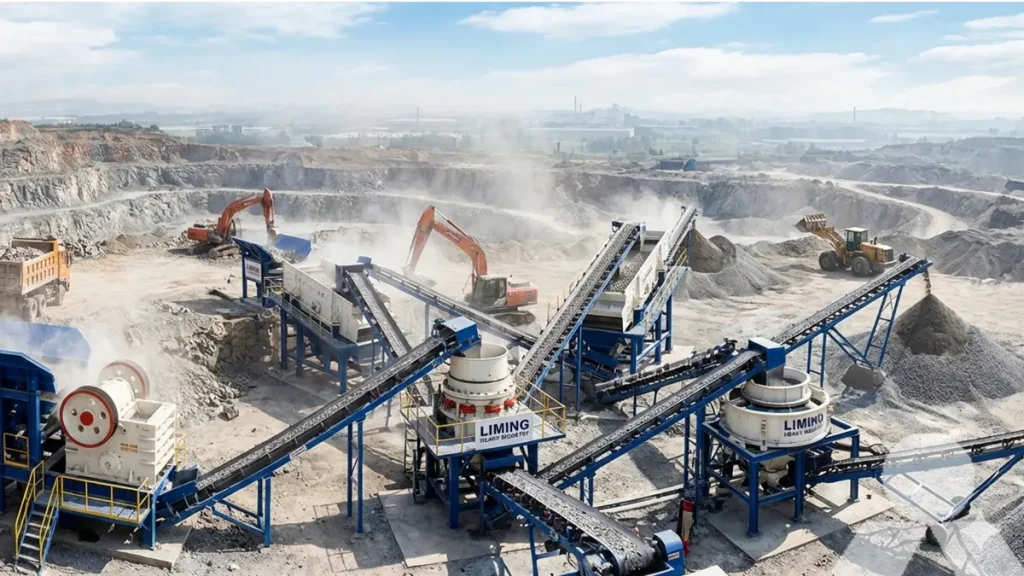
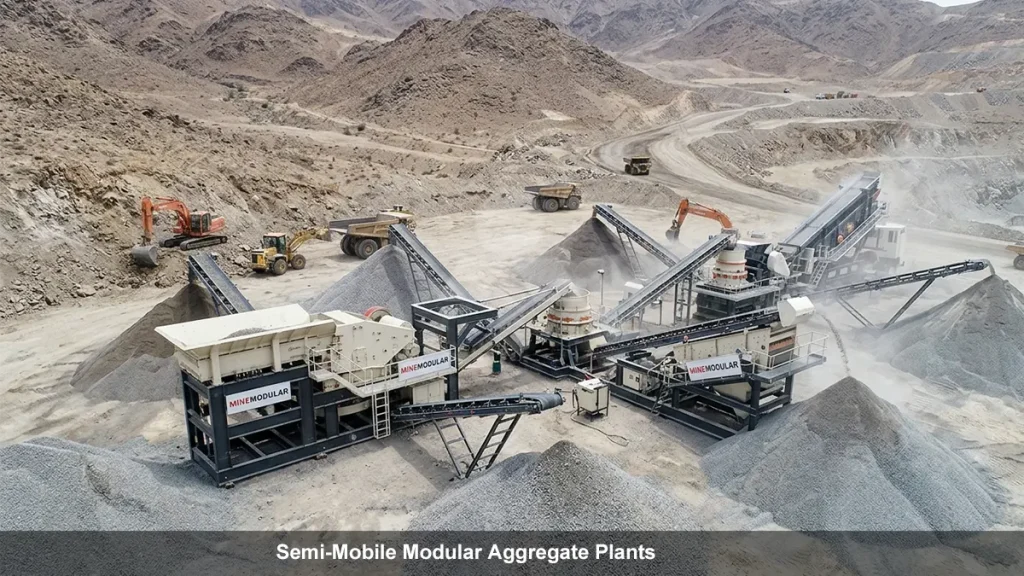
The engineering team configured a parallel-line system to ensure continuous supply even during maintenance shifts. The primary circuit utilized a C6X160 Jaw Crusher, feeding into two HPT500 Cone Crushers. The sand shaping was handled by two VSI6X1263 units. This configuration achieved a stable 850 TPH peak output, yielding a premium 0-5mm sand with a fineness modulus of 2.7, entirely suitable for high-strength C50 concrete.
"Operating at this scale, equipment failure is catastrophic to our delivery contracts. We transitioned to Liming Heavy Industry's C6X and VSI6X series because the metallurgical integrity of their wear parts outlasts competitors by a significant margin. The dual-line setup provided by their engineering team ensures we hit our 800 TPH target daily. The initial capital investment was substantial, but the cost per ton has dropped by 18% due to the reduced power consumption and prolonged liner life of the HPT cone crushers." — Director of Operations, Infrastructure Aggregates Ltd.
Financial Projection and ROI
When calculating the financial viability of an 800 TPH sand making line, operators must analyze the total cost of ownership (TCO). While the exact quote depends on the variables discussed, the revenue generation of an 800 TPH plant is immense. Assuming a conservative operational schedule of 10 hours per day, 300 days a year, the plant processes 2.4 million tons of material annually.
Given the rising global market price for premium manufactured sand due to the depletion of natural river sand, the return on investment (ROI) for a properly configured Liming Heavy Industry plant is typically realized within 12 to 18 months of full-capacity operation. Success relies entirely on selecting the correct crushing physics for the target rock and maintaining strict adherence to preventative maintenance schedules.
Frequently Asked Questions (FAQ)
What is the estimated power consumption for an 800 TPH sand making plant?
An 800 TPH hard-rock production line requires immense kinetic energy. Depending on the exact configuration, the total installed power typically ranges from 2,500 kW to 3,500 kW. The primary consumers are the secondary cone crushers and the tertiary VSI sand makers, which require heavy-duty electric motors to maintain high-velocity rotational speeds under load.
Can an 800 TPH line process both coarse aggregates and manufactured sand simultaneously?
Yes. By utilizing the S5X Series Vibrating Screens, the output from the secondary and tertiary crushers can be segmented. The screens can divert 10-20mm and 20-31.5mm aggregates directly to stockpiles, while routing the 0-10mm fractions into the VSI6X for final sand shaping. The ratio of aggregate to sand is controlled by adjusting the closed-side setting (CSS) of the cone crushers and the rotor speed of the VSI.
How often do wear parts need replacement in an 800 TPH granite plant?
Wear part longevity is heavily dependent on the silica content of the granite. Generally, jaw plates on the C6X may last several months, while the mantle and bowl liner on the HPT cone crushers may require replacement every 3 to 6 weeks under continuous 800 TPH loads. Utilizing Liming Heavy Industry's high-manganese and advanced composite wear parts extends these intervals, directly lowering the operational cost per ton.
Get Your Custom Quote
The cost of an 800TPH sand making production line is a major investment, but the return on investment is equally substantial due to the high demand for quality construction aggregates. By selecting Liming's advanced VSI6X and HPT series equipment, you ensure low downtime and high-quality output.

Chief Technical Consultant
15+ Years in Mineral Processing & Mining Machinery
Senior mechanical specialist at Liming Heavy Industry. Leading expert in large-scale crushing circuits and global quarry optimization. His technical insights have helped over 500+ global projects achieve higher efficiency.