Investment Cost Comparison: New Type Sand Crusher vs. Traditional
This article addresses the buyer's anxiety regarding the higher upfront cost of modern VSI crushers by demonstrating long-term savings in wear parts, energy, and maintenance compared to traditional models.
In the competitive aggregate industry, every penny counts. For quarry owners and mining engineers, the decision to upgrade equipment often boils down to one critical factor: Return on Investment (ROI). While the demand for high-quality artificial sand is skyrocketing globally, rising energy prices and wear part consumption can eat into profits. This brings us to a critical analysis: a comparison of investment cost with the new type sand crusher versus traditional models.
At Liming Heavy Industry, we understand that "price" is just the sticker on the machine, while "cost" is what you pay over the machine's lifetime. Is the new generation of Vertical Shaft Impact (VSI) crushers worth the premium? This guide breaks down the financial and technical reality.
What is the "New Type" Sand Crusher?
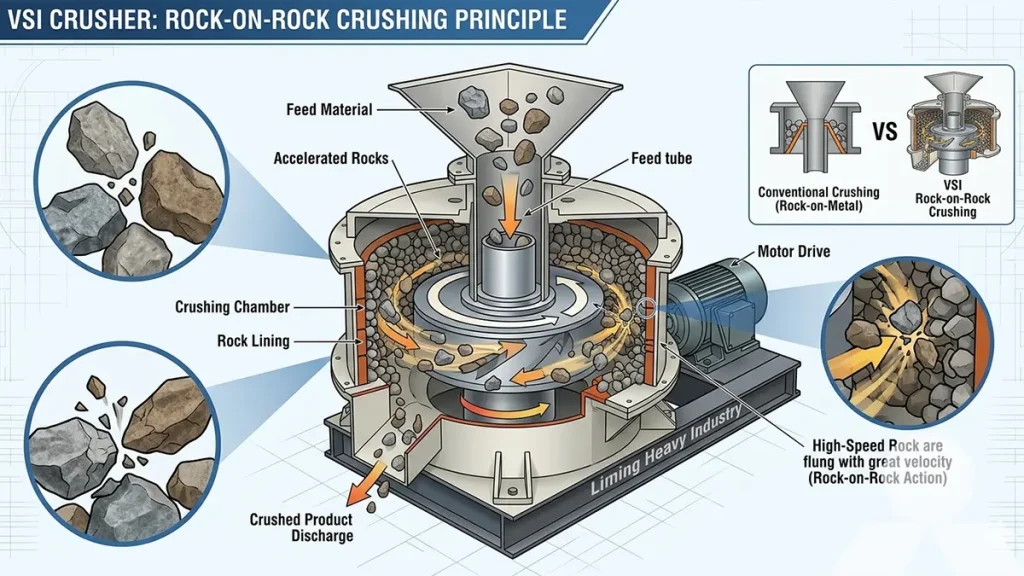
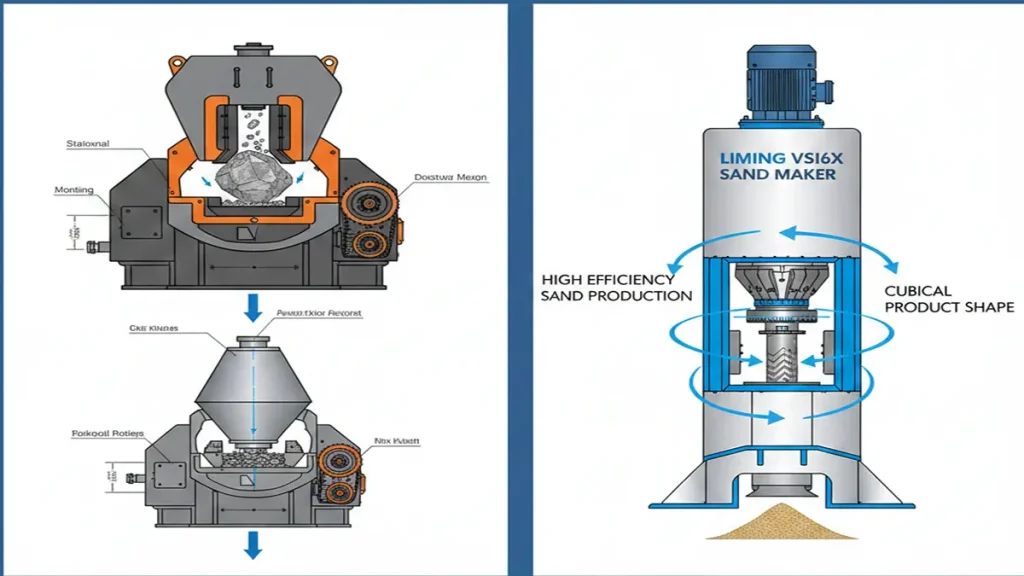
When we refer to the "new type" sand crusher, we are specifically discussing advanced Vertical Shaft Impact (VSI) crushers, such as Liming’s VSI6X and VSI5X series. Unlike traditional Hammer crushers or older Roller crushers, these machines utilize:
- "Stone-hitting-Stone" and "Stone-hitting-Iron" principles.
- Optimized rotor designs to increase material throughput.
- Hydraulic cover opening devices for rapid maintenance.
Detailed Cost Analysis: Traditional vs. New Type
To perform a fair comparison of investment cost with the new type sand crusher, we must separate Capital Expenditure (Upfront Cost) from Operational Expenditure (Running Cost).
1. Initial Investment (CAPEX)
It is an industry fact that advanced VSI crushers often carry a higher initial price tag than simple Hammer crushers or Rod mills. This is due to:
- Precision Engineering: Higher quality steel and dynamic balancing of the rotor.
- Automation: Integration of hydraulic systems and smart lubrication.
However, relying solely on the lowest bid for the initial purchase is a common pitfall. A machine that costs 20% less to buy but costs 50% more to run will drain your budget within the first year of operation.
2. Operating Costs (OPEX)
This is where the new type sand crusher demonstrates its superiority. The comparison shifts heavily in favor of Liming's VSI series when looking at long-term expenses.
- Wear Parts Longevity: Traditional crushers (like Hammer crushers) have high wear rates on hammerheads. Liming’s new VSI crushers use an optimized crushing chamber that creates a "material lining," protecting the machine body. This extends the maintenance cycle by over 30%.
- Energy Efficiency: The VSI6X series is designed to increase throughput by 30% without a proportional increase in power consumption.
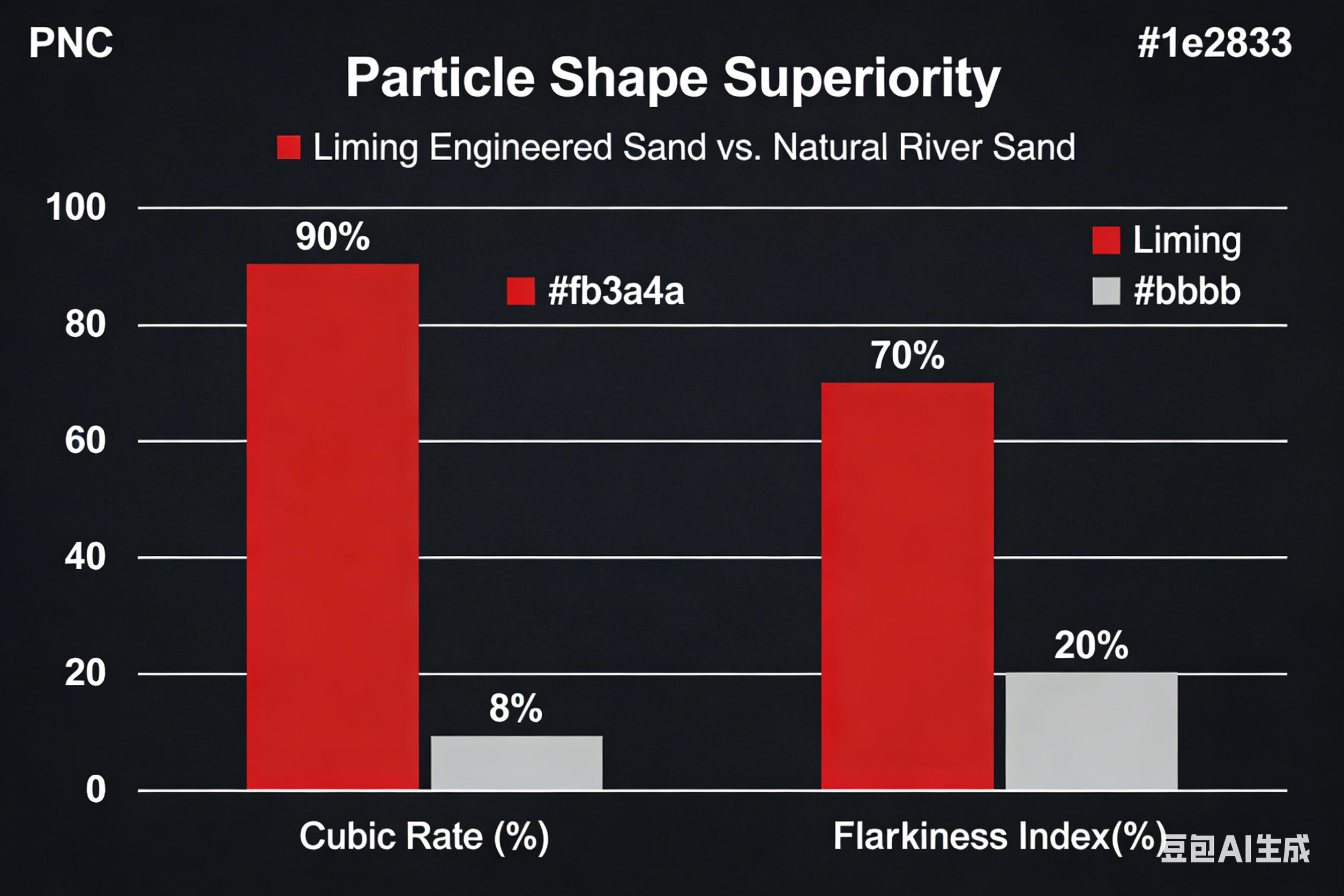
- Shape Quality (Selling Price): The "new type" crusher produces cubic, well-graded sand. This high-quality product commands a higher market price compared to the flaky sand produced by traditional compression crushers.
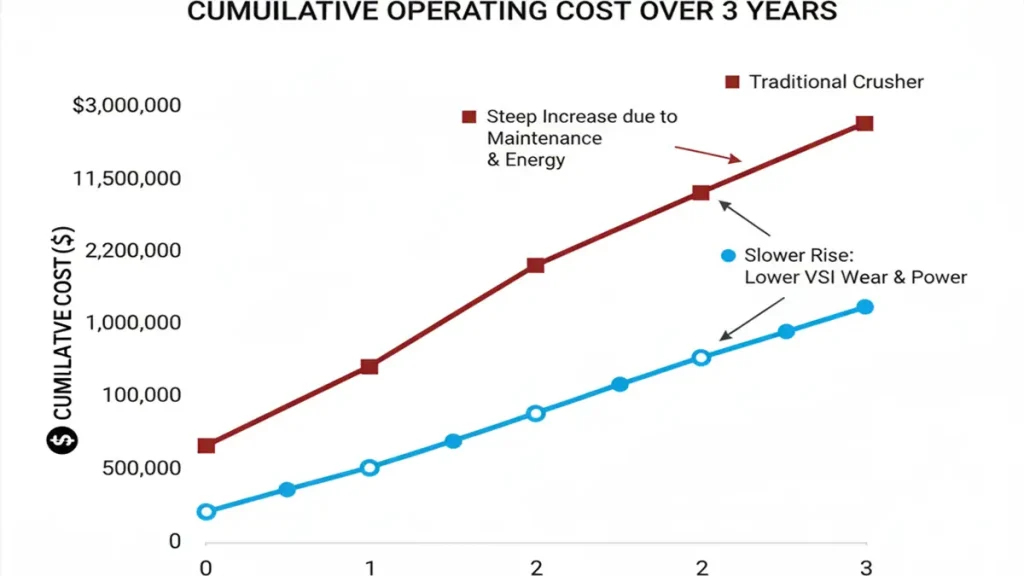
Data Comparison: ROI Factors
The following table illustrates the key differences that influence the total cost of ownership.
| Feature | Traditional Crusher (Hammer/Roller) | New Type Sand Crusher (Liming VSI6X) |
|---|---|---|
| Initial Price | Lower | Moderate / Higher |
| Wear Part Life | Short (Frequent replacement) | Long (Optimized impact angles) |
| Sand Quality (Shape) | Variable, often flaky | Excellent, Cubic (Premium Price) |
| Maintenance Downtime | High | Low (Hydraulic cap opening) |
| Total Cost (3 Years) | High (Due to parts & labor) | Lowest |
Why Choose Liming's New Type Sand Crusher?
Beyond the numbers, the structural design of Liming's equipment directly impacts your investment security.
Dual-Pump Oil Lubrication System
The new type sand crusher guarantees the longevity of the shaft bearing. By ensuring consistent temperature control and lubrication, we prevent catastrophic failures that can halt production for days.
Optimized Rotor Tips
In the VSI6X, the peripheral guard plate can be turned up and down to extend the service life. This means you buy fewer parts over the life of the machine, directly improving the comparison of investment cost with the new type sand crusher.
Frequently Asked Questions
1. How long does it take to recover the investment cost of a new type sand crusher?
While this depends on your local sand prices and operational hours, most Liming clients report an ROI period of 6 to 12 months. The premium sand quality allows for higher selling prices, accelerating payback.
2. Is the maintenance of the new type sand crusher complicated?
No. In fact, it is simpler. The hydraulic lifting device allows a single operator to inspect and replace parts easily, reducing labor costs and downtime compared to disassembling older machine types.
3. Can the VSI crusher handle hard materials like granite and basalt?
Yes. The "Stone-hitting-Stone" principle is specifically designed for hard and abrasive materials, minimizing metal wear by using the rock itself to crush other rocks.
Conclusion
When conducting a comparison of investment cost with the new type sand crusher, the conclusion is clear: the initial savings of traditional machines are an illusion. High maintenance costs, frequent downtime, and lower-quality end products inevitably lead to profit loss.
Liming Heavy Industry’s new generation VSI crushers offer a lower cost per ton and a higher market value for your final product. Invest in technology that works as hard as you do.

Chief Technical Consultant
15+ Years in Mineral Processing & Mining Machinery
Senior mechanical specialist at Liming Heavy Industry. Leading expert in large-scale crushing circuits and global quarry optimization. His technical insights have helped over 500+ global projects achieve higher efficiency.